Raja Ampat is a network of regionally managed marine protected areas, not a national park — and the rules are locally enforced. No anchoring on reef, no touching coral, no fishing in no-take zones, no wildlife feeding. Your entry permit funds that system. The practices that matter most are unglamorous: buoyancy, anchoring discipline, sunscreen choice and how you behave in a village.
Every operator in Indonesia now describes itself as sustainable. Most of it is decoration. The version that actually affects a reef is a short, boring list of behaviours performed consistently by crew and guests, and it is worth knowing what to look for — both in your own conduct and in the boat you hand your money to.
What are the actual rules in Raja Ampat?
| Rule | Why it exists | What breaking it costs |
|---|---|---|
| No fishing or collecting in no-take zones | Core zones are the reproductive engine of the whole MPA network | Regulatory action; removal from the area |
| No anchoring on reef | One anchor drop destroys decades of coral growth in seconds | Vessel-level sanction, reputational damage |
| No touching or standing on coral | Contact kills polyps and opens infection sites | Ejection from the dive, damage that outlives your trip |
| No feeding or chasing wildlife | Alters natural behaviour and breaks cleaning-station dynamics | Encounter ends for everyone; behavioural harm persists |
| Carry a valid entry permit | Funds patrols, monitoring and community returns | Breach of park regulations; you can be turned back |
| Respect village customs and consent | Villages own and manage these waters in practice | Access restrictions for future visitors |
Two organisations sit behind these charges: the marine park authority (BLUD UPTD) in Waisai, which issues the twelve-month marine park permit, and the Raja Ampat Regency Tourism Department, which collects the separate visitor entry ticket. Full figures are in our guide to Raja Ampat entry fees — roughly IDR 1,700,000 combined for foreign visitors as of July 2026, confirmed at booking.
Why does the anchoring question matter so much?
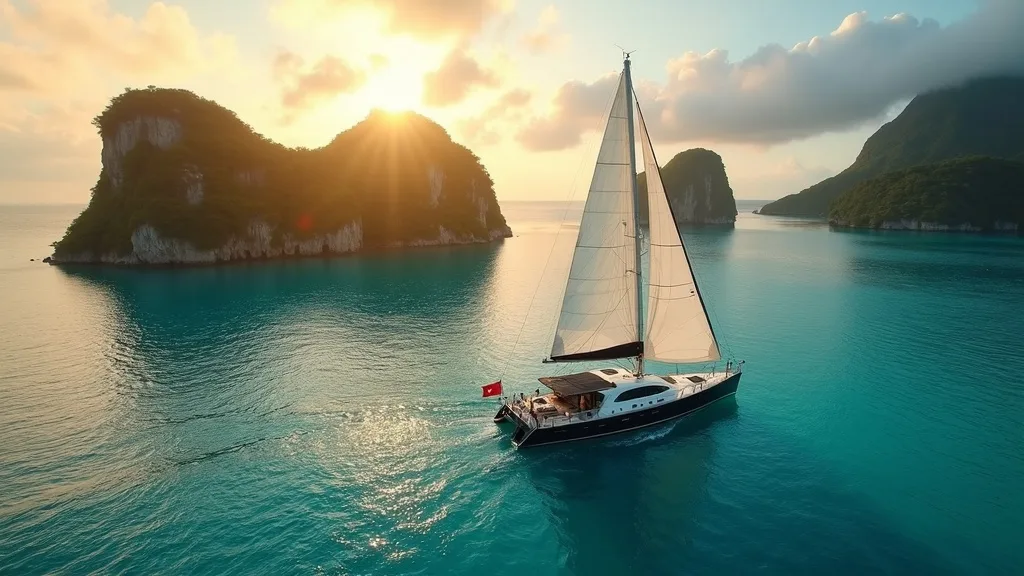
Because it is the largest single physical impact a tourism vessel can have, and it happens out of guest sight. A forty-metre Phinisi dropping and dragging an anchor across a coral bommie causes damage that a hundred careless divers could not match in a week.
Responsible practice means using fixed moorings where they exist, and where they do not, dropping in sand — which requires the crew to actually look, sometimes to put a swimmer in the water first, and occasionally to move the boat to a less convenient spot. It costs time. Watching whether your crew does it is the single most informative thing you can observe about an operator’s real standards.
Ask directly at booking: “What is your anchoring policy?” A crisp answer about moorings and sand-only drops is a good sign. A vague answer about respecting nature is not.
Does reef-safe sunscreen actually matter?
It is worth doing, and it is not the biggest lever. The evidence on oxybenzone and octinoxate harming coral is strong enough that avoiding them is sensible, particularly at shallow snorkel sites where dozens of people enter the same small lagoon.
The more effective approach is to wear less sunscreen and more fabric. A long-sleeved rashguard and a hat outperform any lotion, do not wash off, and eliminate the question entirely. Apply mineral sunscreen (non-nano zinc oxide) to face, hands and feet, put it on twenty minutes before you enter the water so it bonds rather than sheets off, and skip the aerosol spray versions that mostly land on the deck.
Other in-water behaviours that matter more than most people think:
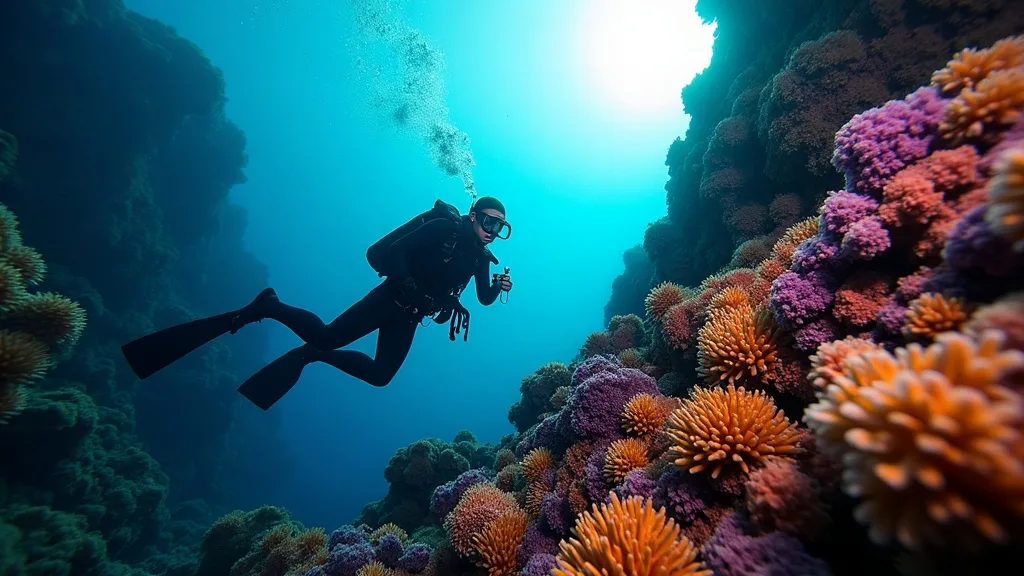
- Sort your buoyancy before you dive good reef. The check dive at Friwen Wall exists for this. Ask for weight adjustment early rather than crashing into coral on day three.
- No gloves on most reef dives — gloves make holding on feel acceptable.
- Secure your gauges and octopus. Dangling equipment is the most common cause of accidental coral damage in the archipelago.
- Reef hooks into dead substrate only. Never into living coral or a sea fan.
- Fins up, kneel on sand. Photographers cause disproportionate damage by settling in to get the shot.
How should visitors behave in villages?
Villages are not exhibits. Communities across Raja Ampat hold customary rights over these waters, and community support is a large part of why the protection model has worked at all. The etiquette is simple and consistently under-observed:
- Ask before photographing people, especially children. A gesture toward the camera and a nod is enough; a refusal is a refusal.
- Dress modestly ashore. Cover shoulders and knees, and put a shirt on over swimwear. Papua is more conservative than Bali.
- Buy things. Woven bags at Arborek, carvings, drinks at a village stall. Paying the asking price without theatrical haggling is the correct move — the amounts are small to you.
- Do not hand out sweets or money to children. It creates begging dynamics that damage the community’s relationship with visitors. If you want to give, ask the crew about the village fund or the school.
- Follow your guide on where you may walk. Some areas are customarily restricted, and the boundaries are not signposted.
Our detailed piece on Arborek and Sawinggrai village visits covers this in full, including which purchases genuinely reach the community.
Where does your permit money go — and what about drones?
The marine park permit funds the conservation apparatus: patrols, monitoring, zoning enforcement, and a share returned to communities inside the protected areas. The regency visitor ticket funds regional tourism administration. Neither is a donation to your operator, and both are collected on behalf of government bodies rather than kept by the boat.
On drones: there is no clearly published Raja Ampat-specific drone regulation in English, so the honest guidance is procedural rather than legal. Indonesian national aviation rules apply, village and park permission matters, and many vessels restrict guest drones entirely. Ask the cruise director first, never fly over villages or people without explicit permission, and accept a refusal gracefully. The noise alone is intrusive in a place this quiet.
What are the honest limits of any boat?
Worth saying plainly: a diesel vessel carrying sixteen guests around a remote archipelago is not a low-impact activity, and claims otherwise should be treated sceptically. What a good operator can do is reduce specific, measurable impacts:
- Eliminate single-use plastic bottles with refill stations.
- Separate waste onboard and land it in Sorong rather than anywhere convenient.
- Manage greywater responsibly and avoid discharge in enclosed bays.
- Buy fish, fruit and produce from local villages rather than importing everything.
- Employ Papuan crew and guides, and pay properly.
- Refuse itineraries that would put a boat where it should not be.
Those are checkable. “Eco-friendly” is not. Our 11-night expedition and Triton Bay expedition pages set out how routing decisions are made when conditions or conservation constraints conflict with the schedule.
Frequently asked questions
Is Raja Ampat a national park?
No. It is a network of regionally managed marine protected areas (KKPD) with no-take core zones, use zones and tourism zones. This is why regional charges apply rather than a national park ticket.
What sunscreen should I use in Raja Ampat?
Mineral, non-nano zinc oxide, applied before entering the water — and preferably less of it, with a long-sleeved rashguard doing most of the work. Avoid oxybenzone and octinoxate.
Can boats anchor anywhere in Raja Ampat?
No. Anchoring on reef is prohibited. Responsible vessels use fixed moorings where available and otherwise drop in sand, which sometimes means relocating to a less convenient spot.
Can I fly a drone in Raja Ampat?
Ask permission first. Indonesian national aviation rules apply, village and park consent matters, and many vessels restrict guest drones. Never fly over villages or people without explicit consent.
Where does the Raja Ampat entry fee money go?
The marine park permit funds patrols, monitoring and enforcement within the protected-area network, with a share returned to communities. The regency visitor ticket funds regional tourism administration.
Is it acceptable to give gifts to village children?
Not sweets or money. It creates begging dynamics that harm the community’s relationship with visitors. Ask the crew about the village fund or school instead.
Are there sharks in Raja Ampat, and are they protected?
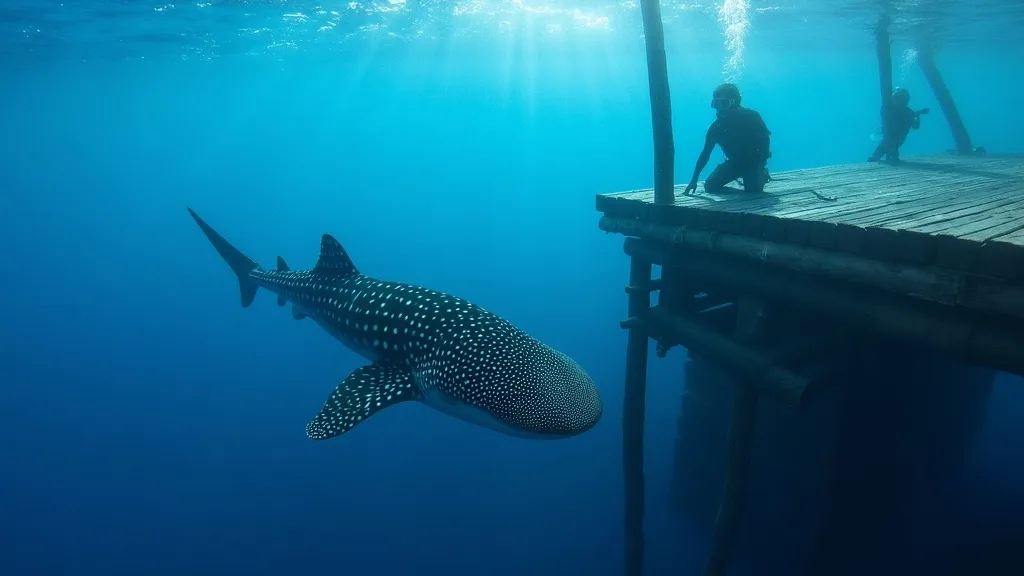
Yes to both. Raja Ampat has long operated as a shark and manta sanctuary area, and encounters with reef sharks are routine on the main dive sites.
How do I check whether an operator is genuinely responsible?
Ask three specific questions: what is your anchoring policy, how do you handle waste, and how many of your crew are local. Specific answers indicate real practice; general language about respecting nature does not.
Sail with people who answer the specific questions
Ask us the anchoring, waste and crew questions before you book — we would rather answer them than have you take our word for it. Trips are operated by Komodo Luxury, part of Juara Holding Group, running Indonesian sailing charters since 2015.
WhatsApp: +62 811 3823 875 · Email: [email protected]