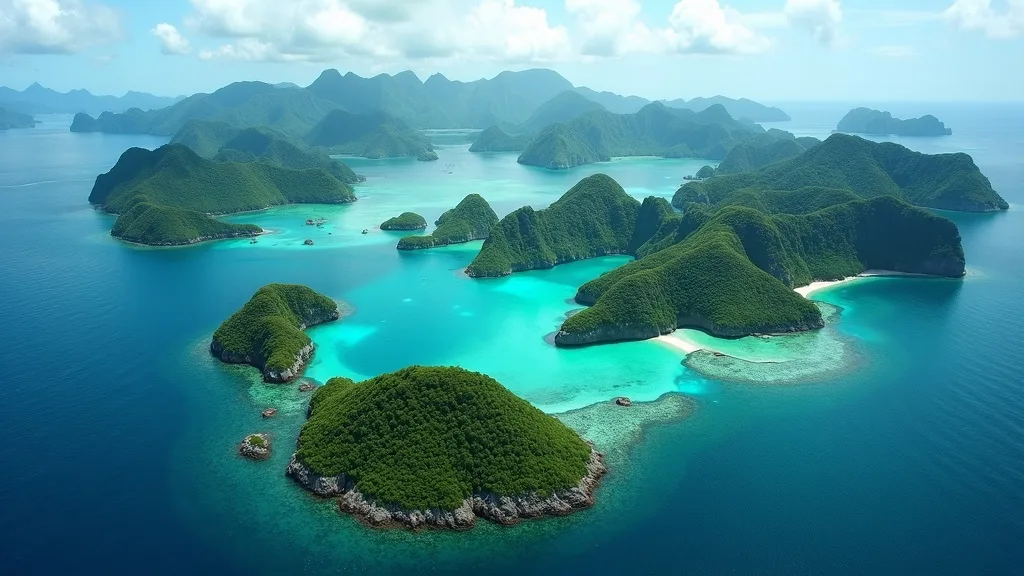
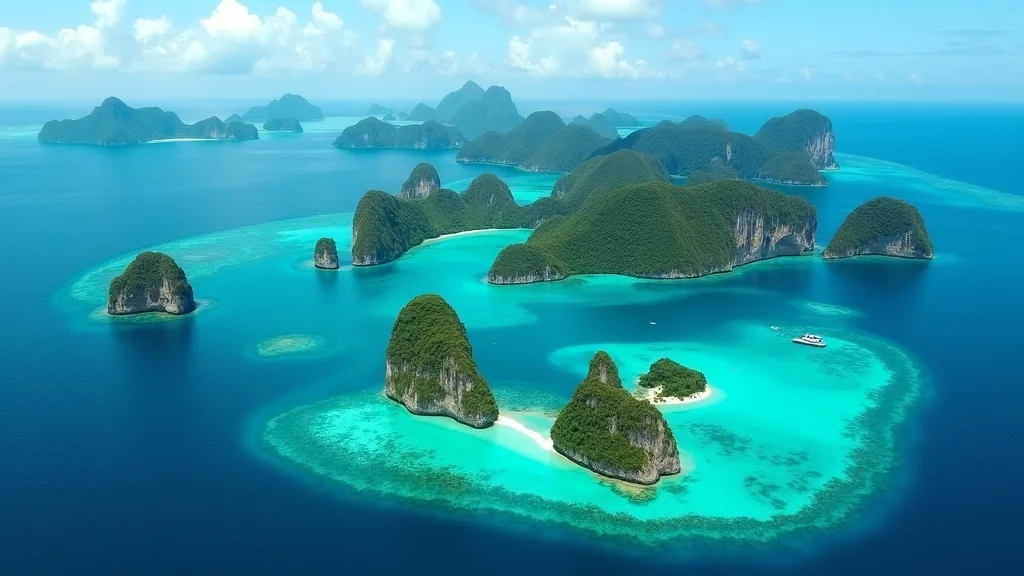
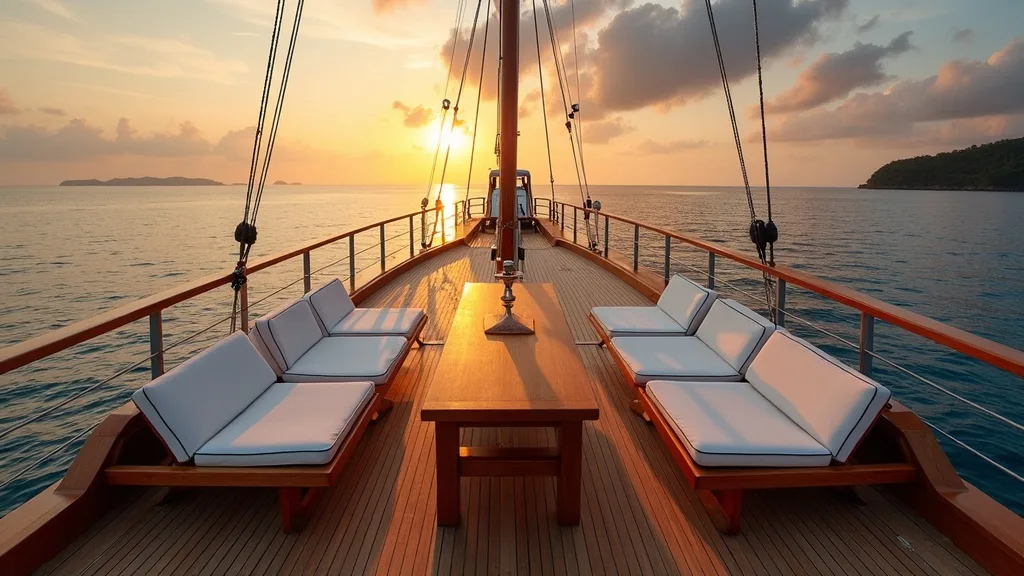
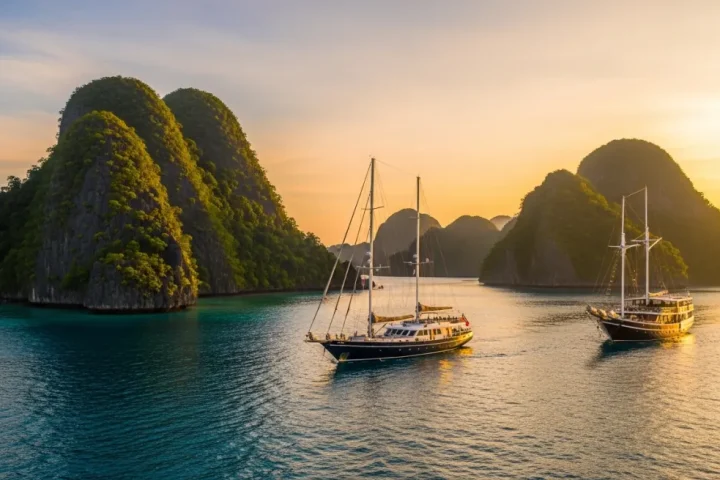
Freediving works beautifully in Raja Ampat — the reefs are shallow, the water is 27–30 °C and visibility is commonly 15–30 metres. What sets the rules is current and boat traffic. Sites are chosen by tide window, sessions run with surface cover from a tender, and solo apnea is not permitted on any responsible vessel. Plan around the water, not your PB.
Raja Ampat is quietly one of the best freediving destinations in Indonesia, and almost nobody markets it that way. The reason is structural: the dive industry built the region around scuba, so the itineraries, the briefings and the equipment are all designed for tanks. Freedivers get an extraordinary playground with almost no infrastructure aimed at them — which is fine, provided you and the crew agree the rules in advance.
Which Raja Ampat sites suit freediving?
| Site | Typical working depth | Current | Freedive suitability |
|---|---|---|---|
| Arborek jetty | 3 – 12 m | Mild | Excellent — shallow, sheltered, dense fish under the pilings |
| Yenbuba jetty | 3 – 15 m | Mild | Excellent — structure, light, easy repeat dives |
| Friwen Wall | 5 – 25 m | Mild | Very good — wall to follow, soft coral, easy exit |
| Melissa’s Garden (Fam) | 5 – 20 m | Mild to moderate | Very good — hard coral plateau, shallow enough to work properly |
| Mioskon | 5 – 25 m | Mild | Good — wobbegongs at accessible depth |
| Penemu / Fam lagoons | 2 – 15 m | Negligible | Excellent for relaxed sessions and training |
| Manta Sandy | 12 – 18 m | Mild to moderate | Situational — surface observation often better than descending |
| Cape Kri, Blue Magic, Sardine Reef | 10 – 30 m+ | Strong | Not recommended — current and scuba traffic |
The pattern is clear: the sites that make Raja Ampat famous for scuba are the ones freedivers should skip, and the sites scuba divers treat as filler are the freediving gold. Shallow structure, mild flow and good light beat depth every time here. Our guide to water temperature, visibility and currents explains how tidal windows shift which sites are workable.
What safety protocol should apply onboard?
Non-negotiable, and worth agreeing before you book rather than at the first session:
- Never freedive alone. One up, one down, direct supervision at the surface for the full recovery period. This applies to a 5-metre reef dive as much as a deep line.
- Surface marker and float. A buoy with a dive flag makes you visible to tenders, fishing boats and passing vessels. Raja Ampat has traffic, and a head at the surface in chop is nearly invisible.
- Tender cover for every session. A tender with an engine running and someone watching, positioned upstream. Non-negotiable in any current.
- Agreed session limits. Tell the cruise director your depth range and session plan. Vague answers get vague supervision.
- No hyperventilation, no competitive one-upmanship. Shallow water blackout does not announce itself, and the nearest chamber or hospital is a long way away — see our insurance and evacuation guide.
- Check your insurance names freediving. A surprising number of policies exclude breath-hold diving outright.
If a vessel is casual about any of this, that tells you what you need to know. Boats that take scuba safety seriously usually adapt to freediving well; boats that do not, do not.
How should you behave around mantas on breath-hold?
Better than most divers, honestly — a quiet freediver with no bubbles is far less intrusive than a line of exhaust plumes. That advantage disappears the moment you chase.
The rules that matter:
- Never swim toward a manta. Hold position and let the animal choose the distance. They routinely close it themselves when you stay still.
- Never dive down on top of one. Approaching from above reads as a predator and ends the encounter.
- Stay off cleaning stations. At Manta Sandy there is a marked viewing line for scuba divers; freedivers should stay well clear of the station entirely and observe from the surface or the periphery.
- No touching, no blocking exit paths, no flash in the eye.
Realistically, the best manta encounters for freedivers happen away from the formal cleaning stations — in the shallow feeding areas where mantas cruise the surface layer through plankton. That behaviour peaks in the plankton-rich weeks when visibility drops, which is the same trade-off scuba divers face. Our comparison of Manta Sandy and Magic Mountain explains both sites.
Can you combine freediving with scuba on the same trip?
Yes, with one rule that gets broken constantly: do not freedive after scuba diving on the same day, or at least not deeply, and not repeatedly.
The physiology is straightforward. Scuba loads your tissues with nitrogen; repeated breath-hold descents afterwards produce pressure changes that can promote bubble formation while that nitrogen is still off-gassing. The conservative and widely taught approach is to freedive before scuba on a given day, or to separate the two by a full day.
A practical structure for a mixed trip:
- Early morning freedive session at a shallow, sheltered site.
- Long surface interval, breakfast.
- Scuba dives for the remainder of the day.
- No breath-hold work after the last tank dive beyond casual snorkelling at the surface.
On a private charter this is easy to schedule around; on a shared dive boat it requires a conversation with the cruise director on day one. The snorkelling-focused sailing trip is the more natural fit for a freediving-led week, and the Dampier Strait charter works if you are alternating disciplines.
What gear should you bring?
Bring your own. Freediving equipment is not carried by dive liveaboards, and rental long fins in Sorong are not a realistic plan.
- Long fins — plastic travels better than carbon on domestic flights with tight baggage rules.
- Low-volume mask and a spare.
- Wetsuit: 1.5–3 mm. Water sits at 27–30 °C, but repeated descents and long surface intervals cool you faster than you expect. An open-cell suit is warmer for the thickness.
- Weight belt — rubber, not nylon. Boats carry weights; they rarely carry proper freediving belts.
- Buoy, line and lanyard if you plan any depth work.
- Freediving-capable computer with depth alarms.
- Neck weight if you use one; nobody onboard will have a spare.
Check your domestic baggage allowance before you fly — Indonesian internal carriers are stricter than the international ticket that brought you, and long fins are awkward to pack. Our flights and logistics guide covers the route into Sorong (SOQ).
Frequently asked questions
Is Raja Ampat good for freediving?
Yes. The reefs are shallow, water sits at 27–30 °C year-round and visibility is commonly 15–30 metres. The limiting factors are current and boat traffic rather than conditions.
Can I freedive from a liveaboard in Raja Ampat?
On most vessels, yes, provided you agree a safety protocol with the crew: buddy system, surface buoy and tender cover. Confirm at booking rather than assuming.
Can you freedive with mantas in Raja Ampat?
Encounters happen, particularly in shallow feeding areas. Never swim toward or dive on top of a manta, and stay clear of formal cleaning stations where scuba divers are positioned behind a viewing line.
Is it safe to freedive after scuba diving?
The conservative and widely taught guidance is no — freedive before scuba on a given day, or separate the two entirely. Repeated breath-hold descents while off-gassing nitrogen carry real risk.
Do liveaboards provide freediving equipment?
Generally no. Bring your own long fins, low-volume mask, wetsuit, rubber weight belt and any line equipment you plan to use.
What wetsuit do I need for freediving in Raja Ampat?
1.5–3 mm is typical. The water is warm but repeated descents and long surface intervals cool you faster than a single scuba dive would, and open-cell suits are warmer for their thickness.
Plan a freediving-led week
Tell us it is a freediving trip at enquiry stage and we will build the site list and the daily rhythm around shallow, sheltered water with proper tender cover — not around a scuba schedule you happen to be sharing. Charters are operated by Komodo Luxury, part of Juara Holding Group, running Indonesian sailing trips since 2015.
WhatsApp: +62 811 3823 875 · Email: [email protected]