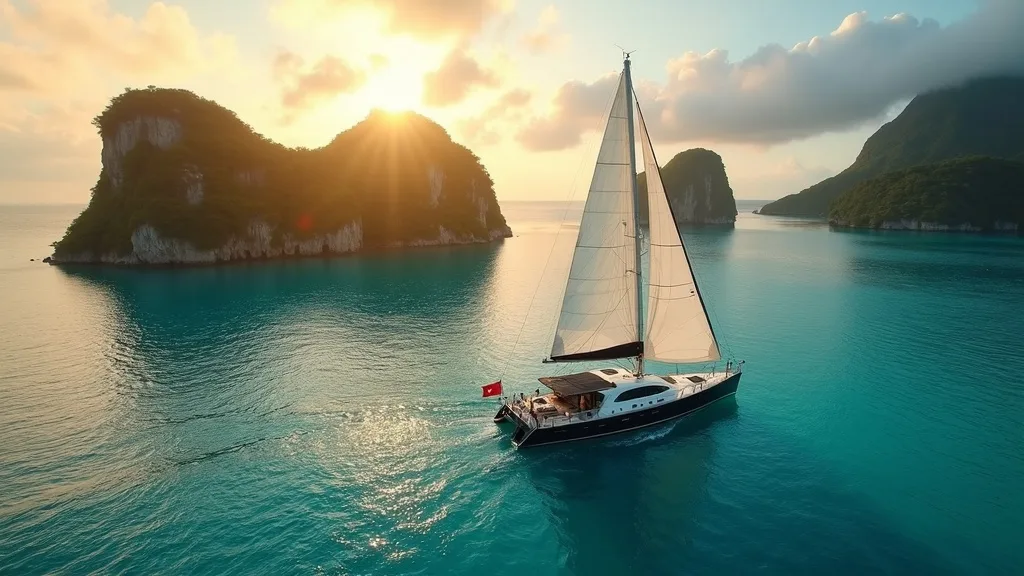
The Dampier Strait packs Raja Ampat’s most famous reefs into short sailing legs. Cape Kri, Blue Magic, Sardine Reef, Mioskon, Friwen Wall and Manta Sandy sit within one to two hours of each other, so a six-night trip can dive the region’s headline sites repeatedly rather than spending days in transit. It is where almost every Raja Ampat trip starts.
The strait runs between Waigeo and Batanta, funnelling water between the Pacific and the Halmahera Sea. That flow is why the reefs here carry the fish density they do, and why the site list reads like a greatest-hits album. It is also the reason the diving demands attention.
What are the main Dampier Strait dive sites?
| Site | Typical depth | Current | Level | Highlights | Snorkel-friendly |
|---|---|---|---|---|---|
| Cape Kri | 5 – 30 m+ | Moderate to strong | Advanced | Record-setting fish counts, reef sharks, giant trevally, sweetlips | Shallow section only |
| Blue Magic | 10 – 30 m | Strong | Advanced | Seamount, schooling barracuda and jacks, occasional oceanic manta | No |
| Sardine Reef | 10 – 30 m | Strong | Advanced | Wall-to-wall schooling fish, reef sharks, big groupers | No |
| Manta Sandy | 12 – 18 m | Mild to moderate | Intermediate | Reef manta cleaning station with a marked viewing line | Sometimes, from the surface |
| Mioskon | 5 – 25 m | Mild | All levels | Wobbegong sharks, bumphead parrotfish, excellent night dive | Yes |
| Friwen Wall | 5 – 25 m | Mild | All levels | Soft coral wall, nudibranchs, classic check dive | Yes |
| Yenbuba jetty | 3 – 15 m | Mild | All levels | Jetty pilings, schooling juveniles, easy photography | Yes |
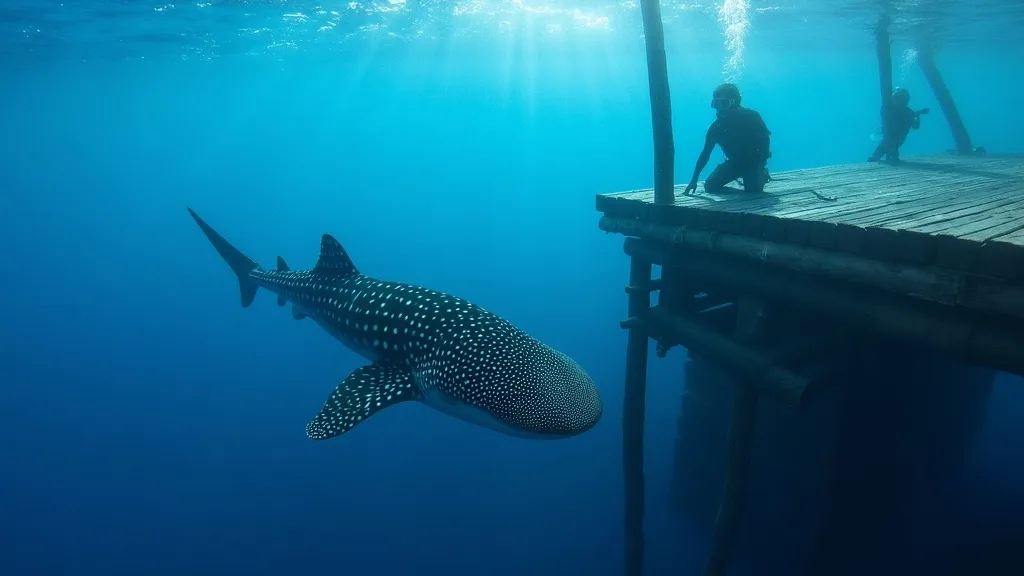
| Arborek jetty | 3 – 12 m | Mild | All levels | Famous jetty snorkel, schooling fish under the pilings | Yes |
Depths are working ranges rather than maximums, and current is the variable that changes everything: the same site can be an easy drift or a demanding hook dive depending on the tide. Our guide to water temperature, visibility and currents explains how good guides plan around slack windows.
Why is Cape Kri so famous?
Because researchers recorded exceptionally high fish-species counts here in a single dive — numbers that helped establish Raja Ampat’s reputation as the most biodiverse marine region documented anywhere. You will see a specific figure quoted across the internet; we deliberately do not print it, because the attribution and methodology are cited inconsistently and we would rather describe what you actually experience.
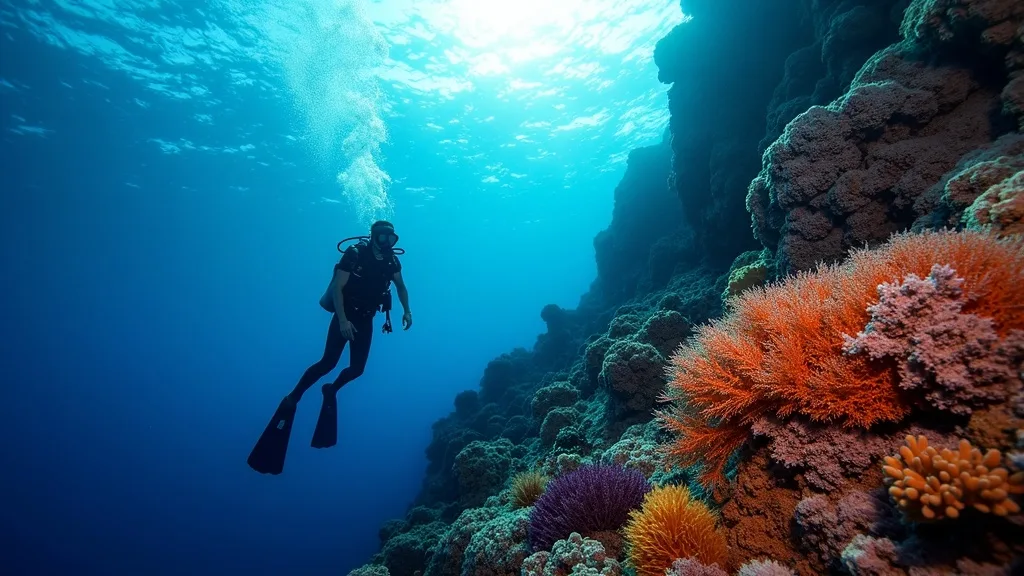
What you experience is density. The ridge off the eastern tip of Kri Island drops away with current running along it, and the water column stacks up: fusiliers in clouds, sweetlips hanging under overhangs, giant trevally cutting through, reef sharks patrolling the deeper edge, turtles indifferent to all of it. The shallow section at the end of the dive, at five to eight metres, is often the best part — sunlight, hard coral and a wall of anthias.
Cape Kri is dived at slack or on a manageable flow. On a strong tide it becomes a hook dive: settle into dead substrate on the ridge, let the fish come, unhook and drift when you are ready.
How demanding are Blue Magic and Sardine Reef?
These are the strait’s two current specialists, and they earn their reputation.
Blue Magic is a submerged seamount that rises out of blue water. There is no reference wall to hold you: you descend fast, get onto the structure, and hook in. The reward is a genuine pelagic show — barracuda in tornado formation, jacks, sometimes an oceanic manta drifting through. Negative entries are common here, and a slow, chatty descent will simply see you swept past the site.
Sardine Reef is the fish-density dive. When the current runs, the reef disappears behind schooling silversides and fusiliers, with reef sharks and large groupers working the edges. It is shallower and more forgiving than Blue Magic but still not a place to be sorting out your buoyancy.
Both sites want the same things from you: comfortable descent, controlled trim, reef hook competence and the discipline to stay off the coral. Roughly thirty logged dives is a fair minimum, and honest guides will place newer divers at gentler sites rather than pretending it will be fine.
Which sites are gentle enough for everyone?
Mioskon, Friwen Wall, Yenbuba and Arborek. These four carry the trip for snorkellers, nervous divers, photographers doing macro work and anyone who wants a genuinely relaxing dive between the demanding ones.
Mioskon deserves particular attention. Wobbegong sharks — flat, carpet-patterned, entirely unbothered — sit under coral ledges here, and bumphead parrotfish move through in the early morning. It is also one of the best night dives in the central region, when the reef switches over to hunting octopus, sleeping turtles and Spanish dancers.
Friwen Wall is the standard check dive: mild, shallow, covered in soft coral and nudibranchs. It exists to let the crew watch your weighting and buoyancy before they take you to Blue Magic. Take it seriously and be honest about your skills.
Our snorkelling-focused sailing trip builds entire itineraries out of these shallow sites, and they are far from a consolation prize.
How should a six-night week be ordered?
| Day | Typical dive plan | Logic |
|---|---|---|
| Day 1 (afternoon) | Friwen Wall check dive | Weighting, buoyancy, crew assessment |
| Day 2 | Cape Kri at slack, Sardine Reef, Mioskon night dive | Build up to current; night dive on a gentle reef |
| Day 3 | Blue Magic early, Manta Sandy mid-morning, Yenbuba afternoon | Hardest dive when you are freshest |
| Day 4 | Arborek jetty and village, Manta Sandy repeat | Second manta chance; cultural stop |
| Day 5 | Fam Islands — Melissa’s Garden, Piaynemo viewpoint | Change of scenery and topside highlight |
| Day 6 | Kabui Bay or a Dampier repeat, then overnight to Sorong | Shallow, gentle final day before flying |
Two structural rules sit behind that table. The demanding dives go early in the day and early in the week, when everyone is fresh and the crew has seen your skills. And the last diving day is deliberately shallow, because flying after diving needs a proper surface interval — most operators require at least eighteen hours, and a deep final dive on the morning of your flight is a bad idea nobody should have to argue about.
The full week is laid out on our 7D6N sailing package, and the region-specific version on the Dampier Strait sailing charter. If the manta sites are your priority, our comparison of Manta Sandy versus Magic Mountain is the next thing to read.
Frequently asked questions
What is the best dive site in the Dampier Strait?
Cape Kri for fish density and reputation, Blue Magic for pelagic action, Sardine Reef for sheer schooling volume. Which one you rate highest usually depends on what the current did on the day.
How many dives will I do in the Dampier Strait on a week trip?
Typically three per day plus optional night dives — around seventeen to nineteen dives across a six-night itinerary.
Do I need advanced certification to dive the Dampier Strait?
Not formally for every site, but the headline current sites expect experience. Around thirty logged dives with solid buoyancy is a sensible baseline; gentler sites are available for everyone else.
Are there sharks in the Dampier Strait?
Yes — grey and blacktip reef sharks are common, and wobbegongs rest under ledges at Mioskon. Raja Ampat is a shark sanctuary area and encounters are routine rather than rare.
Can snorkellers enjoy the Dampier Strait?
Very much so. Arborek jetty, Yenbuba, Friwen Wall and Mioskon are all shallow enough that snorkellers see most of what divers see.
Is Cape Kri suitable for a night dive?
Mioskon is the preferred night dive in this area. Cape Kri’s current makes it a poor choice after dark.
How far apart are the Dampier Strait sites?
Usually one to two hours of sailing at most, and often minutes. That density is the main practical argument for basing a short trip here.
What is the minimum trip length to dive these sites properly?
Four nights covers the core sites once each. Six nights lets you repeat the best ones in different tidal conditions, which is where the real diving happens.
Dive the strait properly
Send us your certification level and logged dives and we will build a week that puts you at the right sites in the right tidal windows — not a fixed schedule printed before anyone looked at a tide table. Charters are operated by Komodo Luxury, sailing Indonesia since 2015.
WhatsApp: +62 811 3823 875 · Email: [email protected]