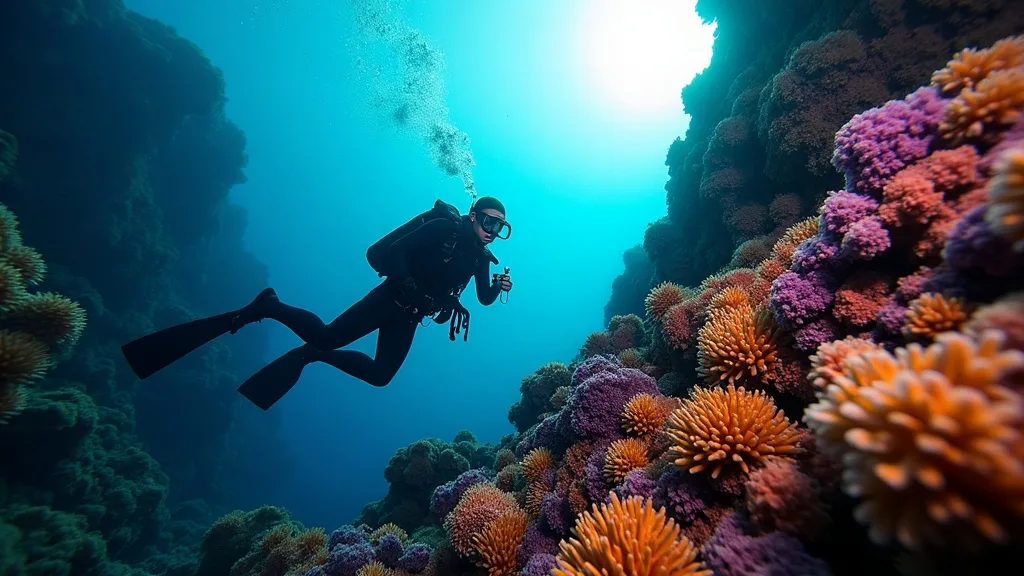
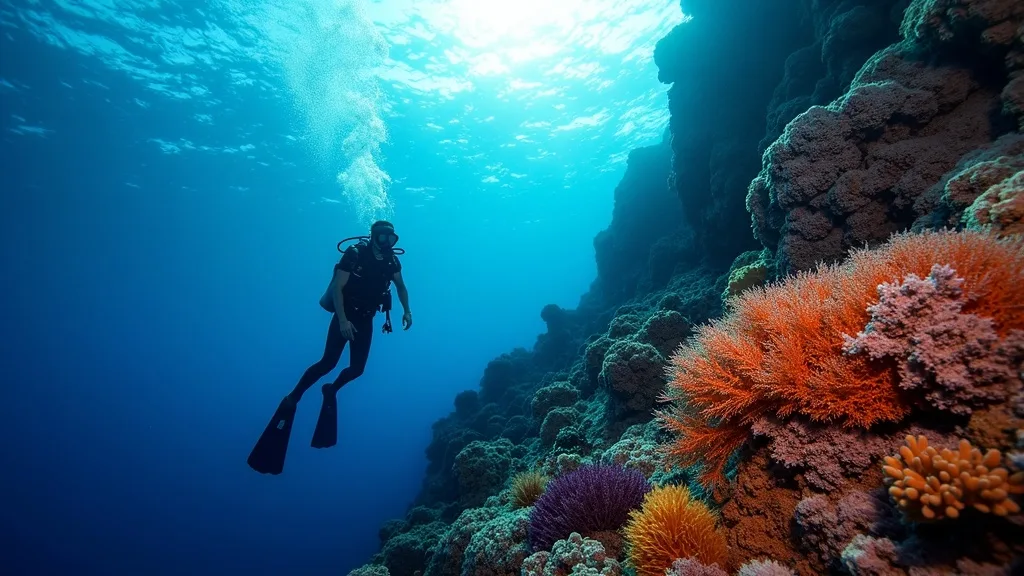
For Raja Ampat, emergency evacuation cover is the line item that actually matters. You will be days from a major hospital, hours from any road, and often outside mobile coverage. Standard travel insurance frequently excludes scuba diving, liveaboards, or both. Check three things: diving is covered to your planned depth, liveaboard trips are not excluded, and the evacuation ceiling is high enough to move you a long way.
Nobody enjoys reading policy documents. But Raja Ampat is one of the few destinations where the insurance question has a materially different answer than it does elsewhere, and the difference is geography: an evacuation from a boat anchored off Misool is not the same event as an ambulance ride in Bali.
What should a Raja Ampat policy actually cover?
| Check | What to look for | Why it matters here |
|---|---|---|
| Scuba diving included | Named as covered, not merely “adventure sports” | Many standard policies exclude scuba entirely |
| Depth limit | At least 30 m; 40 m if you dive deep | Raja Ampat pinnacle profiles reach recreational limits |
| Liveaboard / remote-vessel clause | Explicitly not excluded | Some insurers exclude multi-day vessels or “expedition travel” |
| Emergency medical evacuation | High or uncapped limit; repatriation included | An evacuation from Raja Ampat is a long, expensive chain of transport |
| Hyperbaric treatment | Named cover for decompression illness | Chamber treatment plus transport to it is the core dive risk |
| Trip cancellation and delay | Includes missed departure through flight delay | Domestic Indonesian flight disruption is the most likely claim you will make |
| Baggage and equipment | Per-item limit above your camera housing value | Standard per-item caps rarely cover an underwater rig |
| Non-diving activities | Snorkelling, freediving, kayaking, hiking | Freediving in particular is excluded surprisingly often |
Two categories of provider are worth knowing. Dedicated dive insurers — DAN (Divers Alert Network) and DiveAssure are the two most commonly held by divers in this region — write policies designed around decompression illness and chamber transport. General travel insurers may cover diving as an add-on, but read the wording rather than the marketing page. Many divers carry both: a dive policy for the water and a travel policy for cancellation and baggage.
How remote is Raja Ampat, medically?
Genuinely remote. Basic medical facilities exist in Waisai and more substantial ones in Sorong, but serious cases are moved onward to a major Indonesian city. From an anchorage in Misool or Wayag, the chain looks something like: tender to the vessel, vessel to the nearest usable point, boat or air transfer to Sorong, then a flight onward — a sequence measured in many hours, not minutes, and dependent on weather and daylight.
On hyperbaric chambers: do not plan around one being immediately available. Chamber status in eastern Indonesia changes, and a facility that was operational last season may not be staffed this one. Ask your insurer’s assistance line what their current arrangement for this region is, and ask your operator what their evacuation protocol looks like in practice. A confident, specific answer from both is what you want; vagueness from either is a warning.
What good vessels carry: oxygen in quantity, a stocked first aid kit, crew trained in oxygen provider and basic life support, and a satellite communications route that works when mobile signal does not. Connectivity is not just a guest amenity — our piece on Wi-Fi, Starlink and power onboard covers how much the communications picture has changed.
Why is flight cancellation cover the claim you will probably use?
Because the most common thing that goes wrong on a Raja Ampat trip is not a diving incident — it is a delayed or cancelled domestic flight. Sorong is served by several carriers, weather in Papua can close things down, and aircraft rotations shift. If you miss the boat’s departure, the boat sails.
What to check specifically:
- Missed departure cover that includes onward travel arrangements, not just the flight itself.
- Whether a liveaboard counts as “pre-booked accommodation” for cancellation purposes — the wording varies and matters, because a charter fare is a large non-refundable sum.
- Delay thresholds. A twelve-hour trigger is useless if your boat leaves in six.
The structural defence is a buffer day. Arriving in Sorong the night before boarding removes most of this risk entirely, which is why we recommend it on every itinerary — see our flights and ferry guide.
What if you are not diving?
You still need cover, and some of the risks are identical. Snorkellers, freedivers and non-swimming guests face the same evacuation geography as divers. The specific points for non-divers:
- Check that snorkelling and freediving are covered. Freediving is excluded by a surprising number of policies, and breath-hold diving is a named exclusion in some standard travel wordings.
- Check boat travel is not limited to “commercial ferries” — a private charter can fall outside that phrasing.
- Check hiking if you plan the Piaynemo staircase or a bird of paradise trek at dawn.
- Check pre-existing conditions declarations. Remote travel amplifies the consequences of an undeclared condition.
Our snorkelling sailing trip attracts a lot of first-time visitors to remote Indonesia, and this is the conversation we have most often with them.
How do you get your policy details to the boat?
Send them in advance, not on boarding day. Most operators request insurance details with the pre-trip paperwork, and there is a good reason: in an emergency, the cruise director needs the assistance line number and the policy reference immediately, not while someone unlocks a cabin safe.
Practical steps:
- Email the operator a PDF of the policy schedule with the emergency assistance number visible.
- Carry a printed copy in your luggage and a photo on your phone.
- Give one emergency contact at home who has the same details.
- Note your certification level, last dive date and any medication on the boat’s medical form honestly — this is not the place to be brave.
The same paperwork discipline applies to the trips that go furthest from help. The 11-night ultimate expedition and the Dampier Strait charter both require insurance details before departure, and we will chase you for them.
Frequently asked questions
Do I need dive insurance for Raja Ampat?
Effectively yes. Most reputable operators require proof of dive-inclusive insurance with emergency evacuation cover before you board, and the remoteness makes it sensible regardless of policy requirements.
Does normal travel insurance cover scuba diving?
Often not, or only to shallow depths. Check that scuba is named as covered, note the depth limit, and confirm liveaboard trips are not excluded.
Is there a hyperbaric chamber in Raja Ampat?
Do not plan on immediate chamber access. Facilities in eastern Indonesia vary in availability and staffing. Confirm the current position with your insurer’s assistance line and ask your operator about their evacuation protocol.
How much evacuation cover do I need?
As high as you can reasonably get, and ideally uncapped. Evacuation from a remote anchorage involves several transport legs and potentially an air transfer, which is where costs escalate.
Do snorkellers need dive insurance?
Not dive-specific cover, but they do need travel insurance with strong evacuation cover, and they should verify that snorkelling and freediving are not excluded.
What is the most common insurance claim on a Raja Ampat trip?
Flight disruption and missed departures, not diving incidents. Domestic flight delays are the realistic risk, which is also why a buffer night in Sorong is worth booking.
Before you book, get the checklist
Ask us for the pre-trip document pack and we will send the insurance requirements, the medical form and the evacuation protocol in writing so you can check your policy against them properly. Trips are operated by Komodo Luxury, part of Juara Holding Group, running Indonesian charters since 2015.
WhatsApp: +62 811 3823 875 · Email: [email protected]