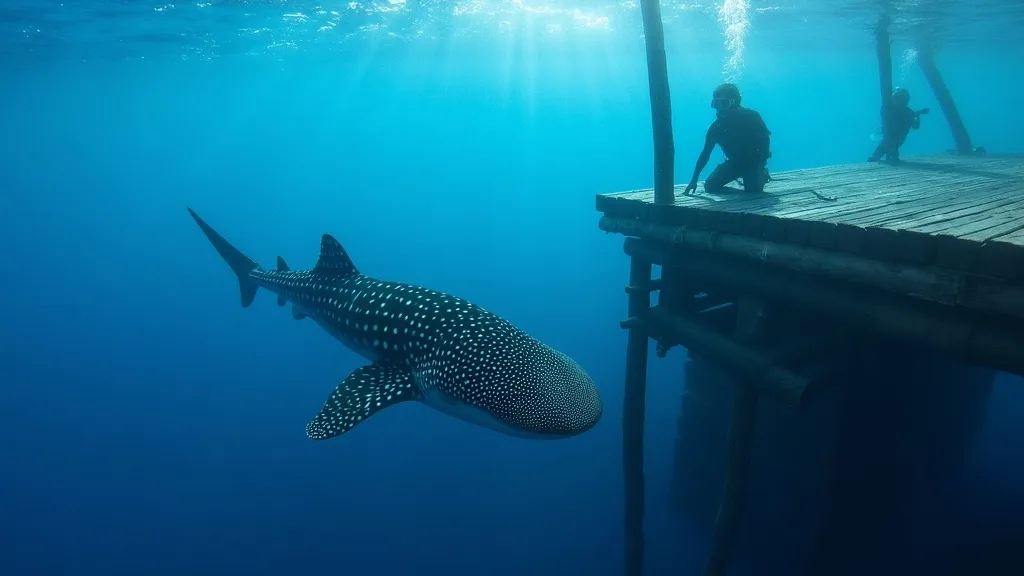
Village stops are the cultural heart of a Raja Ampat sailing week — and the easiest thing to get wrong. Arborek is the jetty-snorkel and weaving village in the Dampier Strait; Sawinggrai on Gam is the dawn bird of paradise trek. Both are working communities, not attractions. Ask before photographing, dress modestly ashore, and buy things rather than handing out sweets.
Communities across Raja Ampat hold customary rights over these waters, and community backing is a large part of why the marine protection here has actually worked. That makes village visits something other than a diversion between dives — they are the part of the trip where you are a guest in a specific sense.
What happens at Arborek?
Arborek is a small island village in the Dampier Strait with a wooden jetty that has become one of the most photographed structures in Raja Ampat — and, more usefully, one of the best easy snorkels in the archipelago. Under the pilings, schooling fish gather in dense clouds at three to twelve metres, sometimes with mantas passing in deeper water off the end.
The village itself is compact and walkable in twenty minutes. What is worth doing:
- The jetty snorkel. Shallow, sheltered, excellent light in mid-morning. Suitable for everyone including weak swimmers.
- The weaving cooperative. Arborek women produce woven bags and hats from pandan and other local material. Prices are modest by any international standard. Buy something; this is the single most direct economic contribution most visitors will make.
- A short walk through the village. With a guide, and following their lead on where you may go.
What to pay: the asking price. Haggling over a woven bag that costs a few dollars is not shrewd travelling — it is taking money from a household economy where those dollars matter considerably more than they do in yours.
What is the Sawinggrai bird of paradise trek like?
Sawinggrai sits on Gam island and is the best-known village stop for observing the red bird of paradise displaying in the forest canopy. The experience is genuine and the logistics are unforgiving:
| Element | Reality |
|---|---|
| Departure time | Pre-dawn, typically leaving the boat before 05:00 |
| Walk | Short but steep and often slippery; 20 – 40 minutes uphill |
| Footwear | Closed shoes with grip — not dive booties or sandals |
| Viewing | From a designated spot below the display tree; birds are high in the canopy |
| Equipment | Binoculars beat a camera; long lens without a tripod rarely delivers |
| Behaviour | Silence. Groups that talk see nothing |
| Guide | Local village guide, arranged through the crew, with a fee |
| Guarantee | None. Displays are frequent but wild |
Manage expectations before you go. You may get five minutes of a bird displaying at forty metres up through foliage, and it may still be the highlight of your trip. Anyone expecting a documentary-quality encounter at close range will be disappointed by reality rather than by the birds. Our 2027 wildlife calendar covers what is realistically seasonal.
What is the etiquette that actually matters?
| Situation | Do | Do not |
|---|---|---|
| Photographing people | Ask first, accept a refusal, show them the picture | Shoot children from the tender or through a long lens without consent |
| Dress ashore | Cover shoulders and knees; shirt over swimwear | Walk through a village in a bikini or shirtless |
| Purchases | Buy weaving, carvings, drinks; pay the asking price | Haggle aggressively over small amounts |
| Children | Say hello, play, take a photo with permission | Hand out sweets, money or gifts |
| Where you walk | Follow the guide; some areas are customarily restricted | Wander into gardens, houses or ceremonial areas |
| Drones | Ask permission explicitly before flying anywhere near a village | Fly over houses or people; the noise is intrusive |
| Behaviour | Greet people, keep noise down, remove shoes where indicated | Treat the village as a photo set |
The sweets question is the one visitors most often get wrong with good intentions. Handing out candy or small change to children creates a begging dynamic that changes how a whole community relates to visitors — and it damages the experience for everyone arriving after you. If you want to contribute, ask the crew about the village fund or the school. That money reaches the community as a community.
What village fees apply, and how are they different from the park permit?
Separate things, and worth understanding so nothing feels like an unexpected charge.
Your two government charges — the marine park entry permit (IDR 700,000 for foreigners, valid twelve months and multi-entry) and the regency visitor entry ticket (IDR 1,000,000 for foreigners), roughly IDR 1,700,000 combined as of July 2026 and confirmed at booking — are collected by the marine park authority and the regency tourism department respectively. Full detail in our guide to Raja Ampat entry fees.
Village-level charges are different and modest: a landing or guiding contribution at some villages, a fee for the bird of paradise trek that pays the local guide, occasionally a small charge for the jetty. These usually go directly to the village or the guide, and crews normally handle them or tell you the amount in advance. Carry small rupiah notes — drawn in Sorong, since ATM access on the islands is unreliable.
How do village visits fit the schedule?
Arborek sits in the middle of the Dampier Strait cruising ground, so it slots naturally between dives — commonly a mid-morning or early-afternoon stop combined with the jetty snorkel. Most four- and five-night itineraries include it, and it is one of the reliable highlights of the Dampier Strait charter.
Sawinggrai requires a dawn commitment and therefore an anchorage nearby the night before, which makes it more common on six-night and longer trips such as the 7D6N classic week. If the birds matter to you, say so at booking so the anchorage is planned around it rather than fitted in.
A note on timing that guests appreciate: village visits work best when the community is going about its day, not when a boat arrives at dinner time. Good crews know the rhythm and schedule accordingly. The wider conduct framework is in our guide to responsible sailing in Raja Ampat.
Frequently asked questions
Can you visit villages in Raja Ampat independently?
On a sailing trip you visit with the crew and a local guide, which is how village access is normally arranged. Turning up unannounced is not appropriate, and some areas are customarily restricted.
Is Arborek jetty good for snorkelling?
Yes — it is one of the easiest and most rewarding snorkels in the archipelago, shallow and sheltered with dense schooling fish under the pilings.
Can I photograph people in Raja Ampat villages?
Ask first, every time, and accept a refusal without argument. Showing people the photo afterwards is appreciated and turns it into an exchange rather than an extraction.
Should I bring gifts for village children?
No sweets and no money. It creates begging dynamics that harm the community’s relationship with visitors. Ask the crew about the village fund or school if you want to contribute.
Are bird of paradise sightings guaranteed at Sawinggrai?
No. Displays are frequent and the trek is well established, but the birds are wild and high in the canopy. Bring binoculars and manage your expectations.
What should I wear in a Raja Ampat village?
Cover shoulders and knees, and put a shirt on over swimwear. Papua is more conservative than Bali and dressing respectfully is noticed.
Make the village day part of the plan
Tell us if the weaving cooperative or the dawn bird trek matters to you and we will build the anchorage schedule around it rather than leaving it to chance. Trips are operated by Komodo Luxury, an Indonesian charter operator since 2015 and part of Juara Holding Group.
WhatsApp: +62 811 3823 875 · Email: [email protected]