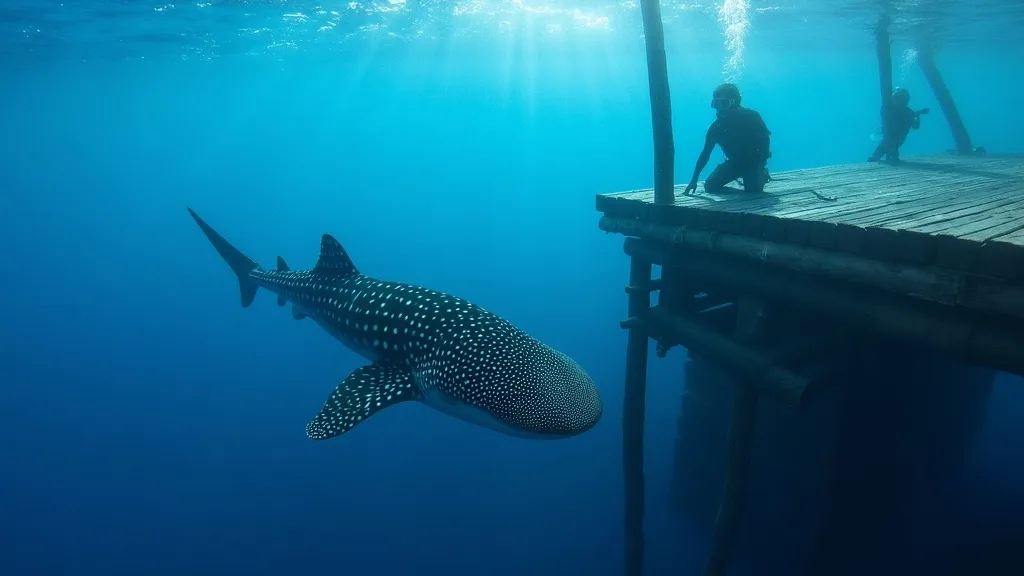
The Banggai Islands local food scene in 2027 offers a unique insight into Central Sulawesi’s coastal and agrarian traditions. Expect fresh seafood, root vegetable staples, and distinct spice blends. Authentic dishes are best sampled at local warungs, village markets, and homestays, providing a genuine Banggai Islands culinary tour experience.
Exploring Banggai Islands Local Food in 2027
As Indonesia’s least-visited archipelago, the Banggai Islands in Central Sulawesi offer an unspoiled culinary landscape. Visiting between April and November, typically for 6–8 days, allows ample time to discover not only its pristine natural beauty, including opportunities for Banggai cardinalfish snorkeling, but also its authentic traditional Banggai Islands cuisine. The food here is a direct reflection of the islands’ rich marine resources and fertile lands, ensuring a fresh and flavourful experience for any visitor in 2027.
Unlike more developed tourist destinations, where to eat in Banggai Islands 2027 means seeking out community-run establishments and engaging with local families. This approach not only supports the local economy but also provides the most genuine Banggai Islands culinary tour. Ingredients are often sourced directly from the sea or local farms, ensuring peak freshness and flavour.
Staples of Traditional Banggai Islands Cuisine
The foundation of traditional Banggai Islands cuisine revolves around fresh ingredients. Given the islands’ geographical location, fish and other seafood are paramount. Expect various preparations, from grilled to curried. Root vegetables such as cassava (singkong), taro (talas), and sweet potatoes often accompany main dishes, serving as carbohydrate staples. Rice, while consumed, might be less dominant than in other parts of Indonesia.
Key Ingredients and Flavours
- Fresh Seafood: Fish (ikan), shrimp (udang), crab (kepiting), and squid (cumi-cumi) are abundant. Preparations often involve grilling (bakar) with spicy sambal or cooking in coconut milk.
- Coconut Milk: A fundamental ingredient, providing richness and creaminess to many stews and curries.
- Spices: Turmeric, ginger, galangal, chilli, and various local herbs are commonly used to create complex and aromatic flavour profiles.
- Root Vegetables: Cassava, taro, and sweet potato are primary sources of carbohydrates, often boiled, fried, or mashed.
- Local Greens: Various leafy greens, often stir-fried with garlic and chilli, complement main dishes.
A 2027 note: While the Banggai Islands remain largely off the mainstream tourist radar, increasing interest in solo traveler Banggai Islands itinerary May 2027 gear list and affordable 7-day Banggai Islands eco-tour Sulawesi 2027 options means local food providers are gradually adapting. However, the core of the culinary experience will remain authentic and community-focused.
Where to Eat in Banggai Islands 2027: Authentic Experiences
Finding formal restaurants, particularly those catering exclusively to tourists, will be rare. The true Banggai Islands culinary tour involves exploring local markets, warungs (small, family-run eateries), and engaging with homestay hosts. This is where you will discover the authentic Banggai Islands local food.
Local Eateries and Markets
| Type of Eatery | Description | Expected Experience in 2027 |
|---|---|---|
| Warungs (Local Stalls) | Small, often open-air eateries run by local families, serving daily specials. | Most authentic, budget-friendly, limited menu, fresh ingredients. |
| Pasar (Markets) | Central hubs for fresh produce, seafood, and sometimes ready-to-eat snacks. | Opportunity to see local ingredients, try street food, interact with vendors. |
| Homestays | Many guesthouses and homestays offer meals prepared by hosts. | Home-cooked meals, often featuring family recipes, personalised experience. |
When considering a private Banggai Islands liveaboard charter 2027 cardinalfish snorkeling trip, discuss meal arrangements with your charter provider. Many offer onboard chefs who can prepare local dishes with fresh catches, enhancing your Banggai Islands culinary tour. Similarly, if you are planning to visit specific locations like the stunning Paisu Pok Lake, inquire about local food options beforehand.
Must-Try Dishes for Your Banggai Islands Culinary Tour
While specific dish names might vary by village, certain culinary themes are consistent across the archipelago. Be adventurous and try what the locals are eating. Don’t hesitate to ask about the day’s fresh catch or special preparations.
Signature Banggai Flavours
- Ikan Bakar Sambal: Grilled fish, often snapper or grouper, served with a fiery chilli paste (sambal). A staple for any seafood lover.
- Sayur Santan: Various vegetables cooked in a rich, spiced coconut milk broth. This can include anything from pumpkin to local leafy greens.
- Pisang Goreng: Fried bananas, a popular snack, often served with a sprinkling of sugar or chocolate syrup, though simple is often best.
- Sambal Matah: A fresh, raw sambal made with finely sliced shallots, lemongrass, chilli, and lime juice, often served with grilled fish.
For those seeking Banggai Islands scuba diving packages for beginners 2027 or an untouched white-sand beaches Banggai Islands off-grid 2027 experience, remember that food choices might be more limited in very remote areas. It is always wise to carry some non-perishable snacks, especially if you have specific dietary requirements.
FAQ
What traditional Banggai Islands dishes should I try in 2027, and where can I find authentic local eateries?
In 2027, you should try Ikan Bakar Sambal (grilled fish with chilli paste), Sayur Santan (vegetables in coconut milk), and Pisang Goreng (fried bananas). Authentic local eateries are primarily warungs (small, family-run stalls), village markets (Pasar), and homestays, particularly in larger towns like Salakan or on Peleng Island.
What is the best time to visit Banggai Islands for a culinary tour in 2027?
The best time to visit the Banggai Islands for a culinary tour in 2027 aligns with the optimal travel season, which is from April to November. During these months, the weather is generally favourable, ensuring easier access to fresh produce and fish, and comfortable conditions for exploring local markets and eateries.
Are there options for eco-friendly dining or sustainable food practices in the Banggai Islands in 2027?
Yes, the Banggai Islands inherently practice eco-friendly dining. Most food is locally sourced, reducing carbon footprints from transportation. Fish is often caught daily by local fishermen, and vegetables are grown in nearby fields. While formal eco-certification might be absent, the traditional approach to food is inherently sustainable, fitting well with the focus on solo/eco-travel itineraries for 2027.